Critical times in the construction cycle for scaffolding, when is it the most needed and used.
February 12, 2026
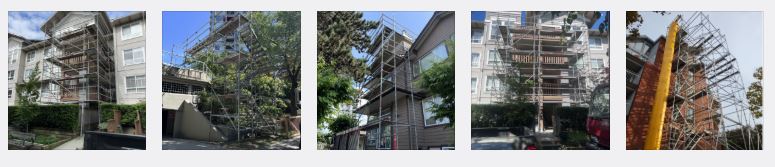
In the world of construction, scaffolding is the unsung hero that bridges the gap between ground-level planning and sky-high execution. While it might seem like a permanent fixture on a job site, its presence is actually quite strategic.
Here is a breakdown of the critical phases when scaffolding is indispensable.
1. The Critical Phases for Scaffolding
Scaffolding is typically most prevalent during two specific “peaks” in the construction cycle:
The Shell & Envelope Phase (Mid-Cycle)
Once the primary structural frame (steel or concrete) is up, the building enters the “envelope” stage. This is the busiest time for scaffolding because the entire exterior of the building needs to be accessed at once.
- Purpose: Installing exterior wall panels, bricklaying (masonry), and window installation.
- Why now: These tasks require high-load capacity platforms for materials like bricks and mortar.
The Finishing & Aesthetics Phase (Late-Cycle)
As the heavy lifting winds down, scaffolding remains for the “jewelry” of the building.
- Purpose: Painting, plastering, installing architectural cladding, and intricate detailing.
- Why now: These tasks require stable, wide platforms so workers can move laterally across large sections of the facade without descending.
2. Primary Purposes: Why We Use It
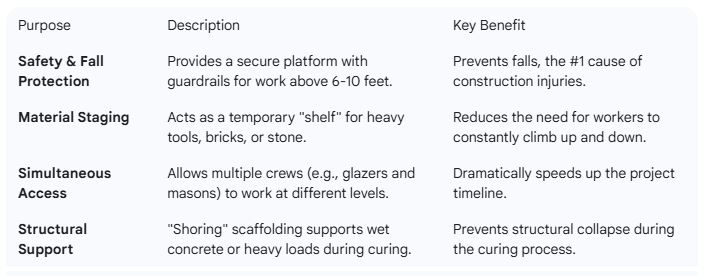
Scaffolding isn’t just about height; it’s about efficiency and safety. Here are the four primary reasons it is deployed:
3. Specialized Scaffolding Uses
Beyond standard building, scaffolds serve niche purposes that are vital for specific project types:
- Restoration & Maintenance: For historical buildings, scaffolds are often enclosed in “debris netting” to protect the public while stone is cleaned or repaired.
- Bridge Work: Suspended scaffolding (swing stages) allows engineers to inspect and paint the underside of bridges where ground-supported towers are impossible.
- Indoor “Birdcage” Scaffolding: Used in high-ceiling environments like hotel lobbies or cathedrals for HVAC installation and ceiling painting.